How Long Does a Salvage Inspection Take?
A salvage inspection usually takes about 15 to 60 minutes on site, though the actual wait is often days or weeks for an appointment and the required paperwork. Miss a required form or arrive with an unsafe repair, and you can lose the slot, pay again, or face a title delay. This guide explains the hands-on time, common scheduling delays, and the documents and vehicle condition inspectors usually check.
Salvage inspection timing matrix
The short answer has two parts: the inspection itself and the time you wait to get it. A repaired salvage car may be ready in under an hour, while the appointment and paperwork path can take much longer, especially when major parts receipts, VIN checks, or a separate DMV step are part of the process.
Method note: The matrix below separates appointment wait, on-site inspection time, certificate or title turnaround, whether towing is required, and the most common delay drivers. When a state or province splits the process into multiple steps, the total process can take much longer than the hands-on inspection alone.
| Jurisdiction or process | Appointment wait | On-site inspection time | Certificate turnaround | Common delay drivers |
|---|---|---|---|---|
| Michigan | Scheduled in advance; wait can exceed the inspection itself (Michigan SOS salvage vehicle inspection) | 15 to 30 minutes (Michigan SOS salvage vehicle inspection) | After the inspection and paperwork review; rebuilt-title steps can follow the inspection (Michigan SOS) | Missing salvage title, valid ID, or receipts for major parts before scheduling (Michigan SOS) |
| Nevada | Scheduled in advance; planning around DMV access matters (Nevada DMV salvage title process) | Separate inspection appointment plus safety inspection and Part I of Form VP-64 (Nevada DMV Form VP-64) | After inspection and DMV follow-up; the title step can come after the inspection clearance (Nevada DMV) | Vehicle must be towed or trailered in; paperwork and DMV coordination (Nevada DMV salvage title inspection) |
| Alberta | Plan at least 24 hours in advance; shop availability can push this longer (Alberta inspection process) | Approximately 36 to 72 hours for the process window, not just the hands-on check (Alberta salvage inspection) | Certificate must be presented within 14 days of issue (Alberta certificate timing) | Inspection queue, document review, and the time needed to present the certificate on time (Alberta process) |
| California-style CHP process | Appointment timing depends on CHP scheduling and the separate DMV path (CHP salvage inspection) | Usually a focused VIN and vehicle review, then DMV steps later (CHP VIN inspection) | After CHP clearance and any required DMV action (California DMV rebuilt title path) | Separate VIN inspection, safety inspection, and DMV paperwork do not move as one step (CHP/DMV split process) |
That table is the part many search results skip. The visit can be short, but the wait to get a slot, gather receipts, and finish the next agency step is often the real timeline.
Say your repaired sedan is ready on Tuesday, but you still need the salvage title, an ID, and receipts for replacement doors and airbags. The inspection itself may only take a short window, yet the appointment cannot be used until the paperwork is complete. The delay is not the check. It is the setup.
Suppose a truck shows up with body panels installed but no proof of major parts. The inspector may still be able to look at the vehicle, but the process can stall if the paperwork cannot confirm where the parts came from. That turns a quick visit into a return trip.
How long does a salvage inspection take?
The hands-on inspection is usually brief. In one Michigan salvage vehicle inspection example, the on-site check takes 15 to 30 minutes, while an Alberta salvage inspection page says the process may take approximately 36 to 72 hours. The difference comes from what the state or province includes in the appointment, not just the time an inspector spends beside the car.
Separate the check from the wait
A salvage inspection appointment is usually scheduled in advance, and the wait for a slot can be longer than the check itself. That matters because you may be ready with the car before you are ready with the booking. Availability also changes by state, office, and inspection shop.
On-site time covers the actual review of the repaired salvage car. The broader turnaround includes scheduling, document review, and any follow-up needed to get a rebuilt title or the next registration step.
Why the paperwork can take longer
Paperwork can slow the process more than damaged sheet metal does. If receipts are missing, the inspector may not be able to verify major parts. If the title status is wrong, the appointment may not count. If a state wants a separate VIN inspection, that adds another stop.
New York salvage inspection appointment timing
In New York, the salvage inspection appointment is often the pacing item, not the inspection itself. The on-site check can be short, but the total process depends on the booking calendar, the shop’s intake rules, and whether the car is already documented for a rebuilt-title path under New York’s process.
For a New York salvage inspection appointment, the vehicle is typically checked for identity, required repair completion, and the paperwork trail supporting the rebuilt application. That usually means the inspector may review the VIN, the branded or salvage title history, and receipts or bills for major parts and repairs. If the vehicle does not match the paperwork, or if the receipts are incomplete, the inspection can be rescheduled or rejected until the file is corrected.
Common causes of rescheduling or rejection in New York include missing title documents, incomplete receipts, an unsafe repair, or arriving before the car is fully ready for the next-step inspection. If the car still needs major body alignment, missing glass, or an unresolved VIN issue, the appointment may not result in approval even if the hands-on visit is brief.
What does a salvage vehicle inspection check?
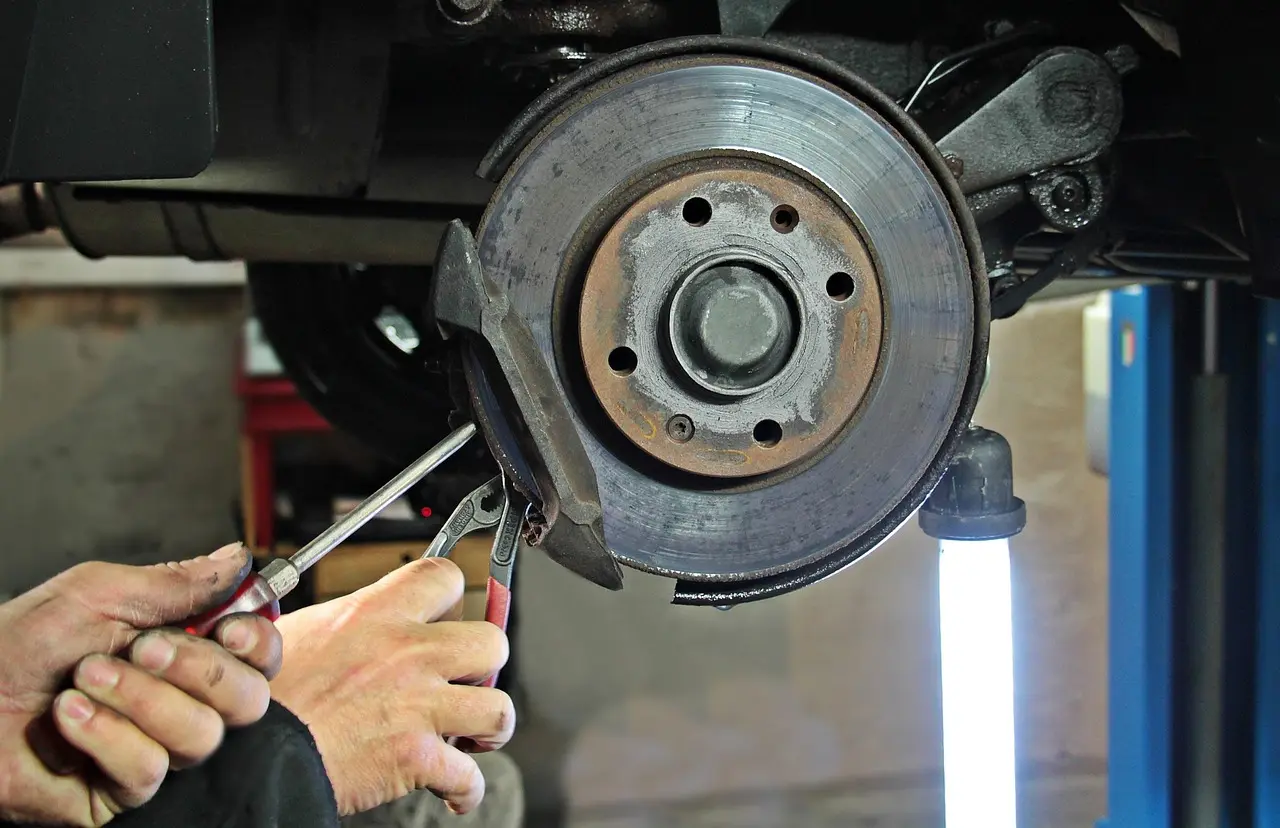
A salvage vehicle inspection checks that the repaired vehicle is ready for the next legal step. Inspectors usually look at structural integrity, mechanical fitness, VIN identity, and major parts documentation. The exact checklist depends on each state or province, but the goal is the same: confirm that the repair is complete enough to move forward.
Structural integrity and major damage repairs
Inspectors look for signs that the frame, unibody, or other key structure was repaired in a way that appears complete and consistent. They are not just checking paint and panels. They are checking whether the car appears safe enough to return to the road under that jurisdiction’s rules.
Mechanical fitness and basic roadworthiness
The vehicle also needs to function like a vehicle. Brakes, steering, lights, tires, and other basic systems may be part of the review depending on the process. If the car is not ready to be driven, some states may require towing or trailering instead of a normal arrival.
VIN verification and major parts documentation
VIN inspection is part of some salvage-to-rebuilt processes and may happen at the DMV or as a separate step. Nevada’s process, for example, includes a safety inspection and Part I of Form VP-64, and the state’s salvage title inspection guidance says the vehicle must be towed or trailered in. Michigan also requires major parts receipts before scheduling, which helps show that replaced parts are not stolen.
That proof matters because a missing receipt can be treated as a documentation problem even if the car drives fine. A mechanical problem may be repairable on the spot. A documentation problem usually means you need another appointment.
What documents should you bring?
Bring the title or salvage title, photo ID, parts receipts or repair records, and any state-specific forms before you book. Those documents are not optional in many processes. If the inspection needs proof of major parts, bring that proof in a format the state accepts, not just loose shop notes.
Title, ID, and state forms
Michigan is an example of a state that requires a salvage title and valid ID before scheduling. Other states may ask for different forms, but the core idea is the same: the inspector needs to match the car, the owner, and the paperwork before the appointment starts.
Parts receipts or repair records
Major parts receipts are a common delay point because they help prove that replaced parts were obtained legally. If you replaced doors, an engine, a front clip, or another major component, keep the receipts with the repair records. Missing them can pause the process even when the car itself is ready.
Release paperwork and extra state forms
Some states add release forms, safety forms, or VIN paperwork to the file. Nevada’s salvage title inspection process includes Form VP-64. Alberta also has a certificate step that needs to be presented within 14 days of issue. Read the local checklist before you show up.
- Confirm that repairs are complete.
- Gather the title, ID, receipts, and state forms.
- Check whether the vehicle must be towed or trailered in.
- Book the appointment only after the car is presentable.
- Keep a copy of the approval or certificate for the next title step.
Why do some inspections take longer?
Three things usually stretch the timeline: missing paperwork, major parts verification issues, and multi-step inspection paths. A quick visual check can be short, but a salvage title inspection can expand when the inspector has to stop and confirm documents, parts, or a second agency step.
Missing or incomplete paperwork
If the title is not the right one, if the ID does not match, or if a required form is absent, the appointment may pause before the vehicle review is finished. That is a paperwork delay, not a repair delay. The car may be fine, but the process is not.
Major parts verification problems
Major parts receipts are especially important when the car received structural or high-value replacements. Without receipts, the inspector may not be able to confirm that the parts were sourced properly. That can force a return visit even if the repair work looks complete.
Multi-step inspection paths
Some states split the process between inspection, VIN verification, safety review, and DMV action. Nevada’s salvage title inspection and California-style CHP process both show that the vehicle may not finish everything in one room. More steps mean more chances for schedule friction.
A common first-timer mistake is booking before the vehicle is fully ready. A car that still needs a hood alignment, a missing receipt, and a separate VIN check is not ready for a one-and-done appointment. The smarter move is to finish repairs first, then schedule.
Do you need the car ready before booking?
Yes. Book only after the repaired salvage car is complete enough to pass the required review. In some states, the car may need to be brought in on a tow truck or trailer, and in others it must be presented with paperwork already assembled. If the car is not ready, the slot can be wasted.
When towing or trailering may be needed
Nevada’s salvage title inspection page says the vehicle must be towed or trailered in. That is a strong clue that not every salvage vehicle should be driven to the appointment. Check the state rule before you assume road travel is allowed.
How to avoid a wasted appointment
Before you book, make sure the title packet is complete, the major parts receipts are together, and the vehicle can be inspected in the condition the state requires. Also confirm whether the inspection is paired with a separate safety or VIN step. That keeps one missed form from becoming a second appointment.
Frequently asked questions
How long does a salvage title inspection take?
A salvage title inspection can take minutes on site, but the total process can be longer if it includes separate forms, VIN checks, or a follow-up agency step. Michigan’s example is 15 to 30 minutes for the inspection itself, while other places build in extra time for document review and certificate handling.
How long does a salvage vehicle inspection take?
A salvage vehicle inspection usually focuses on the repaired car’s structure, mechanical condition, VIN, and paperwork. If the file is complete, the physical review may be brief. If the receipts or forms are missing, the appointment can stretch because the inspector has to stop and confirm the record.
How long does a CHP salvage inspection take?
A California-style CHP salvage inspection is often only one step in a larger process, so the appointment itself may be short while the total turnaround is longer. The main delay usually comes from scheduling the CHP review and then finishing any DMV action that follows.
How long does it take to get a salvage inspection appointment in NY?
New York scheduling can take longer than the inspection itself, especially when the shop or agency has limited availability. The best estimate comes from the local booking calendar, because the wait depends on demand, document readiness, and whether the vehicle needs a separate VIN or safety step.
What can make a salvage inspection take longer?
Missing receipts, incomplete title paperwork, and a car that is not fully repaired are the biggest slowdowns. A separate VIN inspection or safety inspection can add another appointment. If the process requires towing or trailering, transport time also becomes part of the delay.
Do I need to be present for the full salvage inspection time?
Usually yes, at least for the part where the inspector verifies the car and the documents. If a state or shop has a separate handoff or paperwork window, ask what part of the appointment requires your presence. Arrive with every required form so the visit does not get split into two trips.