What Is a Salvage Inspection for a Car?
A salvage inspection is a state-required checkpoint that verifies a repaired salvage vehicle’s identity, major parts, and roadworthiness before it can move from a salvage title to a rebuilt title. Skip it or fail it, and you can lose time, pay for repeat fees, and keep the car off the road. This guide covers what inspectors check, what paperwork you need, and how the salvage-to-rebuilt title process usually works.
What a salvage inspection
A salvage inspection is a state-specific review of a repaired vehicle before retitling. It usually sits between repair work and rebuilt title issuance. The inspection does not erase the salvage brand. It checks whether the car matches its paperwork, has the required safety items, and meets the state’s retitling rules.
How it differs from a salvage title
A salvage title means the car was declared a total loss by an insurance company. In most states, that title brand stays on the record even after repair. It usually means the car is not ready for normal public-road registration until the state accepts the vehicle in its repaired form.
That is why the title brand and the inspection are different steps. The salvage title is the status label. The inspection is the checkpoint that can clear the vehicle for the next title stage.
How it fits the rebuilt title process
Most states will not register a salvage car for public roads until it is repaired and inspected. If the vehicle passes, the state may issue a rebuilt title. That title can allow registration in many states, but it is not the same as a clean title, and the brand usually remains part of the record.
Experian says insurers often require a state safety inspection before a rebuilt salvage title is issued. That matters because insurance, title status, and registration often move in sequence, not at the same time.
Why states require it
States use salvage inspections to separate a repaired vehicle from a merely damaged one. The goal is to confirm identity, basic safety, and paperwork consistency before the car returns to road use. Requirements vary by state agency, and the authority may be a DMV office, police unit, or certified inspector.
What inspectors check
Inspectors usually look at four buckets: vehicle identity, safety items, repair quality, and paperwork. The exact checklist changes by state, but the core idea stays the same. The inspector wants proof that the car in front of them is the same car described on the documents and that it can operate safely enough for legal road use.
Vehicle identity and VIN match
Some states use a VIN inspection as part of the process. That means the vehicle identification number on the body or frame must match the title, application, and repair paperwork. If the VIN tag is missing, altered, or inconsistent, the inspector may stop the process until the paperwork and identity issue is resolved.
Brake and light safety items
Brake and light inspection is a common safety component for salvage cars. Caramaze says brake and light inspection is essential, and faulty brakes and lights can prevent legal driving on public roads. The point is simple: the car must stop and be visible to other drivers.
That usually means checking headlamps, tail lamps, brake lamps, turn signals, hazard lamps, and the brake pedal response. If a state includes a brake and light check, a burned-out bulb or soft pedal can be enough to fail the inspection.
Repair quality and roadworthiness signs
Inspectors also look for signs that the repairs were completed in a way that supports road use. That may include missing body parts, unsecured components, obvious fluid leaks, airbag warning lights, or other visible damage that suggests the car is not ready. The inspection is not a full mechanical teardown, but it is more than a paper review.
Say your sedan has a repaired front bumper after a collision, but one headlamp stays out and the hood latch does not close fully. That can trigger a fail even if the engine starts, because the car still shows unresolved safety and repair issues.
Paperwork and ownership documents
Paperwork matters because the inspection is part of a legal title change. Most states ask for the salvage title, application forms, proof of repair records, and sometimes photos or receipts. If the documents do not match the vehicle, the state may hold the file even if the car itself looks ready.
Salvage inspection readiness checklist
Use this checklist before you book the appointment. It can help you spot the problems that most often slow the process down.
| Item to verify | Why it matters | Pass/fail signal |
|---|---|---|
| VIN plate matches the title and application | Confirms the vehicle identity is the same across the car and paperwork | Pass if all VINs match; fail if the VIN is missing, altered, or inconsistent |
| Salvage title and ownership documents are complete | Shows you have the legal basis to retitle the vehicle | Pass if the title is present and signed as required; fail if any ownership document is missing |
| Repair receipts, photos, or records are organized | Proves the vehicle was repaired after the loss event | Pass if records are available in the state-required form; fail if proof of repair is missing |
| Brake system functions correctly | Supports basic stopping ability and roadworthiness | Pass if the brake pedal and braking action are normal; fail if the pedal feels unsafe or a warning is present |
| Headlamps, tail lamps, brake lamps, and turn signals work | Lets other drivers see the vehicle and understand its movements | Pass if all required lights operate; fail if any required lamp is out |
| Body and structural repairs are finished | Shows the car is assembled and not missing major components | Pass if major parts are secure; fail if the car has loose, missing, or exposed repaired areas |
| Insurance coverage meets state rules | Some states require proof of insurance before the inspection or registration step | Pass if the policy is active and acceptable to the state; fail if the policy is not in force |
| Appointment and fee are confirmed | Prevents a wasted trip and keeps the file moving | Pass if the booking is confirmed; fail if you show up without the required slot or payment |
How do you pass a salvage inspection?
To pass a salvage inspection, repair the vehicle first, collect the required paperwork, and verify the safety items the state checks. The easiest failures come from small issues that were left for later, like a dead lamp, a missing receipt, or a VIN mismatch. Start with the state rules, not with guesswork.
Repair the car before the appointment
Most states expect the vehicle to be repaired before inspection, not after. That usually means the major damage must be corrected, the car must be assembled, and required safety systems must work. If the state requires a brake and light check, treat those systems as part of the inspection prep, not as optional extras.
Gather proof of repairs and title documents
Bring the title documents, application forms, and any repair records the state asks for. If your state wants receipts or photos, organize them in the order the agency expects. The cleaner the file, the faster the review usually goes.
Make sure required safety items work
Check the brakes, exterior lights, and any other required equipment before the appointment. Caramaze’s warning about faulty brakes and lights matters here because a car that cannot stop properly or signal clearly can fail even if the paperwork is perfect.
Confirm state-specific requirements first
Requirements vary by state, and that changes both the steps and the outcome. Some states send you to the DMV. Others use police, inspectors, or another agency. A rebuilt title process in one state may need photos and receipts, while another may focus more on identity verification and a physical safety review.
Suppose a pickup has replacement doors, a working brake light, and a complete title packet, but the state requires a prebooked VIN check before the main inspection. The vehicle still cannot pass the process until that identity step is completed in the right order.
How do you get a salvage car inspected?
Start with the state agency that handles title conversions, usually the DMV or its equivalent. Then book the required appointment, ask which forms and fees apply, and decide whether the car should be driven or towed. The right answer depends on the vehicle’s repair status and local driving rules.
Find the correct state agency
Look for the office that handles rebuilt titles, salvage inspections, or VIN checks in your state. Some states run the process through a DMV branch. Others rely on police officers, certified inspectors, or a separate inspection unit. The agency name matters because the wrong office can send you back to the start.
Schedule the appointment
Appointments are often required. That helps the agency manage volume, paperwork, and inspection bays. If the state offers only limited slots, book early and confirm what the vehicle must have on hand at the time of inspection.
Ask about required forms and fees
Before the visit, ask which forms, photos, receipts, or insurance documents the state requires. Also ask what fee applies and how payment is accepted. That step matters because the cost and the paperwork vary from state to state, and missing one item can delay the title change.
Check whether towing is safer than driving
Do not assume a salvage car is legal to drive just because it runs. If the brakes or lights do not work, Caramaze says the car may not be legal on public roads. In many states, the vehicle should be towed to the inspection if it is not yet roadworthy or if registration is not active.
What documents do you need for a salvage inspection?
Most states want the salvage title, the inspection or title application, proof of repair records, and sometimes receipts or photos. Some also want insurance proof before the appointment. The exact list depends on the state, but the documents usually prove three things: ownership, repair work, and identity.
- Salvage title or branded ownership document
- Application for rebuilt title or inspection
- Proof of repair records, if required
- Receipts for major parts or repair work, if required
- Photos of damage and repair stages, if required by the state
- Proof of insurance, when the state asks for it
- Government ID and any appointment confirmation the agency requests
Insurance can be part of the process before the rebuilt title is issued. That is why the policy status should be checked before the appointment, not after the inspection result comes back.
What happens after you pass?
After you pass, the state may issue a rebuilt title or move you to the next title step in its process. That can open the door to registration, plates, and road use, if the state allows it. The title brand usually remains, so the car is legal to register in many states but still not a clean-title vehicle.
Next steps for registration
Once the rebuilt title is issued, you can usually move toward registration and insurance updates. Some states also require a follow-up safety inspection or tax paperwork before plates are issued. The title agency may still ask for the same proof packet if anything in the file needs to be reviewed again.
Why the title brand still matters
A rebuilt title is not a clean title. That brand can affect insurance options, resale value, and how future buyers read the vehicle history. Passing inspection confirms the car met the state’s retitling checkpoint. It does not erase the fact that the car was once declared a total loss.
How much does a salvage inspection cost?
Costs depend on the state and the authority handling the inspection. Wheels Away reports the average U.S. salvage vehicle inspection cost is $55.07. It also lists Florida salvage inspections at $100-$200, Georgia at $118, and Delaware as free. Local fees can rise if the process includes extra paperwork or multiple required checks.
Fee differences usually come from the agency doing the work, the number of required checks, and whether the state charges separately for the inspection, title application, or VIN verification. A short appointment can still cost more if the process includes more than one official review.
How long does a salvage inspection take?
The same source reports the average U.S. salvage vehicle inspection takes 35.2 minutes. That is only the inspection time itself, not the time spent waiting, booking, gathering documents, or fixing rejected items. A missing paper or failed safety check can stretch the process well beyond the appointment slot.
Why do cars fail a salvage inspection?
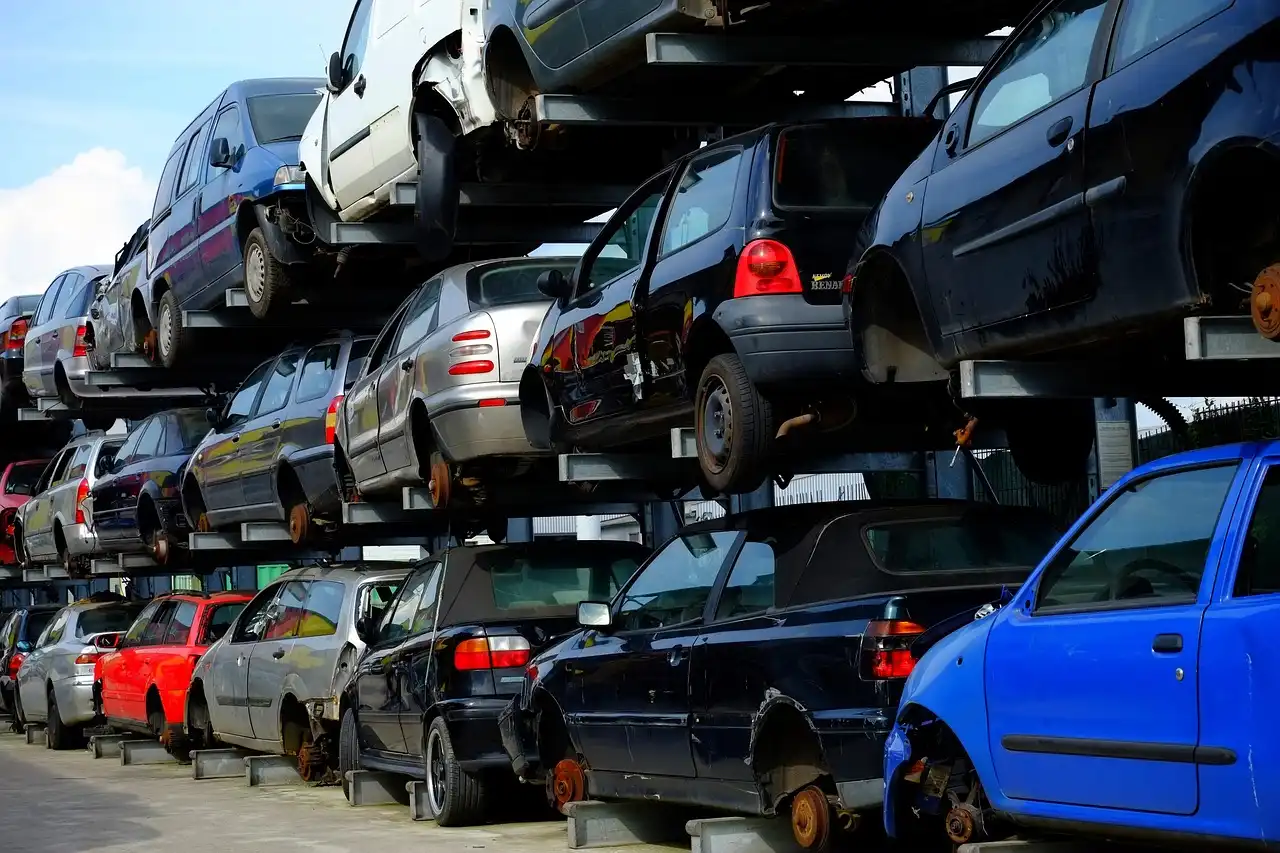
Cars usually fail in one of four ways: identity problems, safety problems, paperwork gaps, or repair issues. The inspection is a checkpoint, so failure usually means the state could not verify the car as a repaired and legally documented vehicle. A failed result often points to a fixable issue, not a permanent end to the process.
Identity or VIN problems
If the VIN does not match the paperwork, the agency may stop the review. This can happen after parts replacement, frame work, or simple clerical mistakes. Identity problems are serious because the state needs to know the vehicle being inspected is the same vehicle listed on the salvage title and application.
Unsafe brakes or lighting
Faulty brakes and lights are common reasons for failure. A dead brake lamp, an inoperative turn signal, or weak stopping performance can be enough to stop the process. Those issues matter because they affect how the vehicle behaves on public roads.
Missing or incomplete paperwork
Missing title documents, absent receipts, or an incomplete application can delay the approval even if the car itself appears repaired. The state may want proof that the repair was real and that the person presenting the car has the right to request the rebuilt title.
Poor or undocumented repairs
If the vehicle still shows loose parts, unfinished body work, or other obvious damage, the inspector may conclude it is not ready. Repairs also need enough documentation to satisfy the state’s records requirements. Without that paper trail, the car may fail on process, not just on condition.
Frequently asked questions
What is checked in a salvage inspection?
Inspectors usually check vehicle identity, the VIN, safety items such as brakes and lights, visible repair quality, and the required paperwork. Some states also add a VIN inspection or a separate safety review. The goal is to confirm the car is the same vehicle listed on the title and ready for the next step.
Can you drive a salvage car to the inspection legally?
Only if your state allows it and the car is roadworthy enough to be legal on public roads. The same source says faulty brakes and lights can prevent legal driving. If the vehicle is not fully safe, not registered, or not insured as required, towing is often the safer option.