Best Dealer Auction Sites for Used Cars
For most dealers, the best dealer auction sites for used cars are the ones with verified condition reports, clear fees, title support that does not stall release, and transport that keeps total acquisition cost low. Rank platforms by total landed cost, not bid price alone. Pick the wrong site, and fees, reconditioning surprises, delays, and dead inventory cut into margin. This guide compares dealer-only auction platforms for sourcing retail-ready used cars, with a dealer-first look at costs, access, logistics, and inventory quality.
ACV, Manheim, ADESA, and EDGE Platform comparison
If you buy retail-ready used cars, start with ACV Auctions, Manheim, and ADESA. ACV is strongest on online condition reporting and transport coordination; Manheim brings the broadest wholesale reach; ADESA is a solid dealer-only option for off-lease and mixed wholesale supply. EDGE Pipeline fits dealers who want regional lanes with less transport friction.
| Platform | Access type | Inventory focus | Fee style | Condition-report quality | Transport friction | Best-fit dealer use case |
|---|---|---|---|---|---|---|
| ACV Auctions | Dealer-only | Nationwide wholesale used cars, including retail-ready units | Platform fee structure varies by deal and seller | Strong photo-based reports and inspection detail | Lower if you use integrated transport; still confirm gate and title timing | Online-first buyers who want condition confidence |
| Manheim | Dealer-only | Regional and national wholesale inventory | Dealer fee model varies by lane and sale type | Varies by run list and lane; inspect each listing carefully | Moderate; shipping is often needed outside your region | Dealers who want scale and broad choice |
| ADESA | Dealer-only | Wholesale inventory with off-lease vehicles in the mix | Dealer fee model varies by auction and seller program | Mixed; verify run condition and title status closely | Moderate; regional pickup can reduce cost | Buyers who want a mix of off-lease and wholesale supply |
| EDGE Pipeline | Dealer-only lanes | Regional wholesale inventory | Typically auction-specific fee schedules | Varies by lane and seller; less standardized than national platforms | Lower for nearby buyers, higher if you chase out-of-area units | Local dealers who value nearby inventory and quick release |
| Cars & Bids | Public | Enthusiast and retail-facing used cars | 5% buyer fee, $250 minimum, $7,500 cap | Decent for listed details, but not a dealer-only wholesale lane | Usually buyer-arranged shipping | Retail buyers and niche inventory hunters |
| Bring a Trailer | Public | Enthusiast vehicles and specialty used cars | About a 5% buyer fee with a cap | Strong listing detail, but not a wholesale dealer feed | Usually buyer-arranged shipping | Specialty retail inventory, not dealer wholesale volume |
| IAAI | Public buyers can join; dealer access also exists in some channels | Salvage and insurance inventory | $225 yearly membership for public buyers, plus a $105 service fee in addition to buyer fees | Condition reports are important, but damage-based sourcing changes the risk profile | Higher because transport is often required and storage can add cost | Buyers focused on repairable damage or salvage supply |
| Copart | Public and dealer access | Salvage and insurance vehicles | Tiered buyer and gate fees | Varies by listing; inspect damage detail closely | Higher if you miss pickup windows or need long-haul shipping | Salvage and parts-oriented buyers |
Which dealer auction site is best for you?
The best dealer auction site depends on what you need to source. For retail-ready used cars, ACV appears to be a strong online-first fit. For broader national choice, Manheim is the scale play. For off-lease and mixed wholesale buying, ADESA is a practical option. If your transport budget is tight, EDGE Pipeline can win on local convenience.
Retail-ready used cars
ACV Auctions is the best fit for dealers who care most about condition-report quality and online bidding. Its dealer-only setup, nationwide wholesale used-car inventory, and transport integration reduce the time spent piecing together a purchase from multiple vendors. ACV also offers a floor financing option through ACV Capital for inventory purchases.
Off-lease and fleet supply
ADESA and Manheim are the main names to compare when you want off-lease and broader wholesale inventory. Manheim is described as the largest wholesale marketplace, so it usually makes sense when you need depth and lane variety. ADESA fits when you want dealer-only access and a steady mix of wholesale and off-lease supply.
Regional buying with lower transport friction
EDGE Pipeline fits dealers who want nearby lanes and less post-win shipping friction. It is not the same kind of national buying engine as Manheim or ACV. Treat it as a regional source first, then compare pickup timing, gate rules, and fees against the cost of buying farther away.
Dealer auction comparison table
This table separates dealer-only auctions from public-access platforms so you can compare them without mixing access rules. The key questions are simple: who can bid, how good the condition data is, how fees stack up, and whether transport adds avoidable cost after the hammer falls.
| Platform | Who can bid | Inventory type | Condition-report reliability | Buyer fee structure | Transport and storage friction | Best use case |
|---|---|---|---|---|---|---|
| ACV Auctions | Licensed dealers | Nationwide wholesale used cars | Strong online inspection detail | Platform-specific schedule; verify before bidding | Integrated shipping can lower friction | Retail-ready sourcing online |
| Manheim | Licensed dealers | Regional and national wholesale lanes | Varies by listing and lane | Dealer fee model varies by sale | Pickup timing and storage rules vary by location | Scale, selection, and lane access |
| ADESA | Licensed dealers | Wholesale and off-lease vehicles | Mixed; review each unit closely | Dealer fee model varies by auction | Regional pickup can help, but deadlines still matter | Mixed wholesale sourcing |
| EDGE Pipeline | Licensed dealers | Regional wholesale inventory | Lane-dependent | Typically auction-specific fees | Lower for local buyers; can rise fast with distance | Nearby inventory and faster turnover |
| Cars & Bids | Public buyers | Retail-facing used cars | Good listing detail for consumer sales | 5% buyer fee, $250 minimum, $7,500 cap | Buyer-arranged shipping | Specialty retail buys |
| Bring a Trailer | Public buyers | Enthusiast used cars | Strong listing detail for public auctions | About a 5% buyer fee with a cap | Buyer-arranged shipping | Specialty and enthusiast inventory |
| IAAI | Public buyers and some dealer channels | Salvage and insurance vehicles | Damage detail matters more than cosmetic detail | $225 yearly membership for public buyers; $105 service fee in addition to buyer fees | Higher due to transport and storage risk | Repairable damage and salvage sourcing |
| Copart | Public buyers and dealers | Salvage and insurance vehicles | Listing detail varies by unit | Tiered buyer and gate fees | Gate timing and storage fees can add cost | Salvage and parts sourcing |
ACV Auctions
ACV Auctions is a dealer-only online marketplace that is built around nationwide wholesale used cars and condition reports that help buyers compare units before bidding. ACV says it is a leading online auto auction marketplace, and it also says ACV Transportation has a network of more than 5,000 active carriers, with ACV Capital offered as a floor financing option.
Condition reports, transport, and floor financing
ACV is a strong fit when you want more confidence in what you are buying before you commit. Its online model reduces the need to chase every vehicle in person, and its transport integration matters when you are buying outside your local market. If you finance inventory turns, ACV Capital is worth checking alongside your bank or floor plan provider.
Say your buyer is sorting through three late-model sedans and only one has a clean, detailed condition report with clear photo coverage of curb rash, tires, and interior wear. That unit is easier to price for retail, because the missing surprises are what usually pressure front-end gross.
Manheim
Manheim is described as the largest wholesale marketplace, and that scale is exactly why it belongs on a dealer’s short list. It gives licensed buyers access to regional and national inventory, so it works well when you need choice more than a single narrow lane. The tradeoff is that fees, pickup timing, and transport friction still vary by location.
Fees and inventory mix
Manheim is strongest when you want breadth across makes, mileage bands, and market segments. Dealers should still check the buyer fee schedule for the specific sale and location, because wholesale fees can shift your true cost meaningfully. A low bid can turn into a weak buy if transport and storage are not built into the math.
ADESA
ADESA is another dealer-only wholesale source worth comparing against Manheim and ACV. Its inventory mix includes wholesale and off-lease vehicles, which can make it useful for dealers who want steady retail candidates without chasing private-party listings. The fee model is auction-specific, so the landed cost depends on the sale and the pickup plan.
Online bidding and off-lease inventory
ADESA works best for buyers who already know how to read run lists, title notes, and recon risk. It is not the place to assume every unit is retail-ready. Use it when the off-lease mix fits your store’s price bands and your recon team can handle normal wholesale wear.
EDGE Pipeline and other dealer lanes
EDGE Pipeline is a dealer-only lane system with regional wholesale inventory. It is useful, but it should be compared as a regional buying channel, not as a national marketplace on the same level as Manheim or ACV. If your goal is quick pickup and reduced transport cost, a strong local lane can beat a larger platform.
When a regional lane beats a national platform
A regional lane wins when your target car is close enough to avoid a long-haul carrier bill and gate storage risk. It also wins when your recon and titling workflow depends on quick release. If the platform is local but the fee schedule is less favorable, compare the full landed cost before you bid.
A common first-timer mistake is buying a car 300 miles away because the hammer price looks low, then paying for shipping, storage, and a delayed pickup. The cheaper bid can become the more expensive buy once you add the freight and time cost.
Dealer costs before you bid
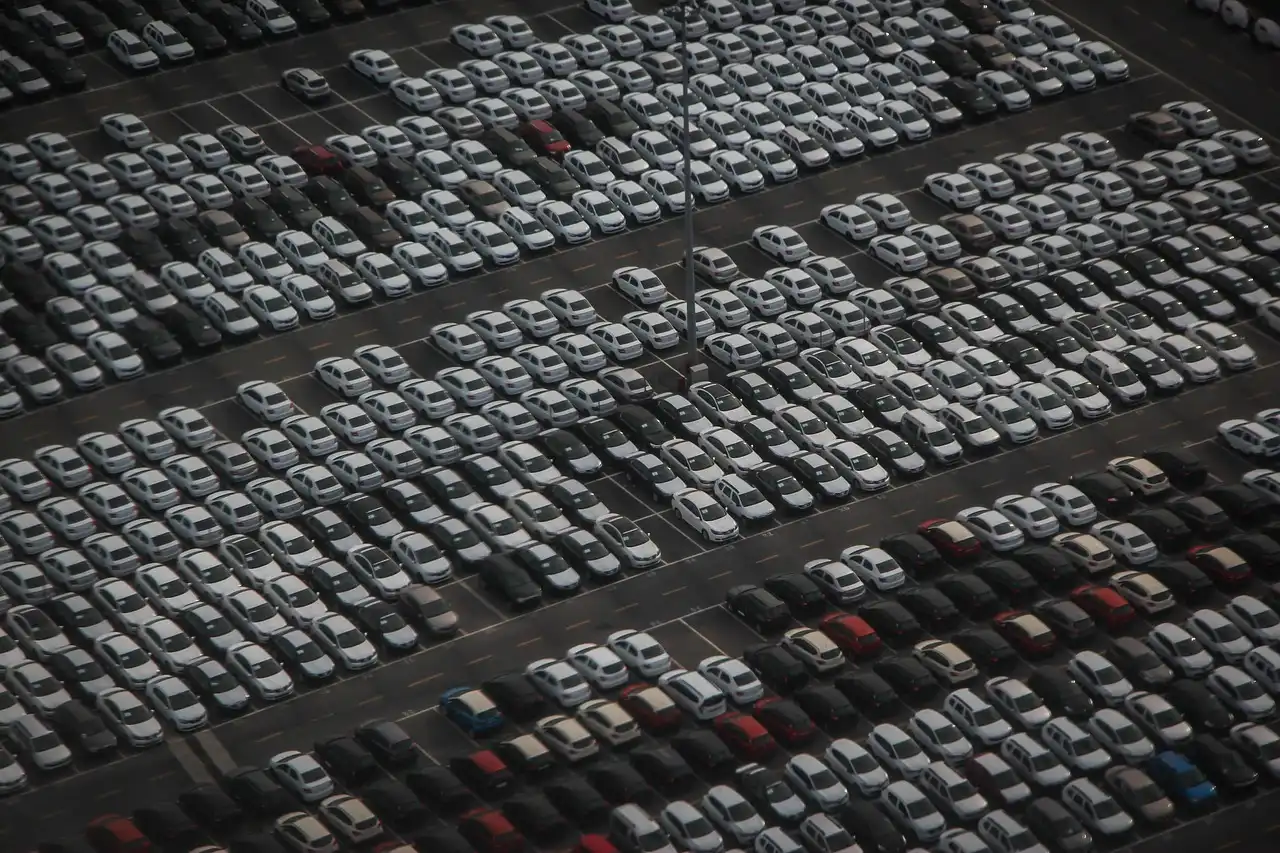
Buyer fees are only one part of the bill. You also need to budget transport, gate release timing, storage risk, and payment deadlines. On some public platforms, the fee structure is explicit enough to estimate in advance; Cars & Bids lists a 5% buyer fee with a $250 minimum and $7,500 cap, Bring a Trailer charges about a 5% buyer fee with a cap, IAAI lists a $225 yearly membership for public buyers plus a $105 service fee, and Copart uses tiered buyer and gate fees.
| Cost component | What to confirm before bidding | Why it changes landed cost |
|---|---|---|
| Buyer fee | Percentage fee, flat fee, minimum, and cap | Can add hundreds or thousands to the hammer price |
| Gate or release fee | Whether the auction charges for pickup or release processing | Raises the all-in cost even when the bid is unchanged |
| Storage fee | How long the auction holds the car before charges begin | Late pickup can erase front-end gross quickly |
| Transport | Carrier rate, distance, and whether the site has integrated shipping | Often the biggest swing after fees |
| Payment deadline | How soon cleared funds are due after purchase | Missed deadlines can trigger penalties or release delays |
| Reconditioning | Tires, brakes, cosmetic work, and title handling | Turns a “cheap” buy into a weak retail unit if ignored |
Dealer auction sites checklist
-
Confirm the buyer fee. Check whether the platform uses a percentage fee, a flat fee, a minimum, or a cap. That number belongs in your max-bid calculation before you submit an offer.
-
Price the transport. Get the carrier quote or platform shipping estimate before bidding. ACV Transportation is useful here because it can reduce coordination work, but the freight still needs to fit the margin.
-
Check pickup rules. Confirm gate hours, release timing, and any storage window. A car that sits too long can rack up cost without adding any value.
-
Add reconditioning and title work. Use the listing details to estimate what it will take to make the vehicle retail-ready. If the title or condition notes are thin, assume more risk and bid lower.
How to get access to dealer auctions
Dealer-only auctions usually require a dealer license or broker access. Once you are approved, you still need to set payment terms, understand bidder permissions, and know the pickup rules at each platform. The process is simple, but each step matters because one miss can delay release or add fees.
-
Verify eligibility. Prepare your dealer license, resale tax documentation, and business information. Broker access may be available at some platforms, but the auction will still verify who is allowed to bid and buy.
-
Set up payment. Link the account to a payment method that clears on the platform’s deadline. This matters because payment timing affects release, title processing, and sometimes pickup scheduling.
-
Review fees first. Read the fee schedule before your first bid. On a platform like ACV or Manheim, the fee can vary by sale type, so the same hammer price can lead to very different landed costs.
-
Plan transport early. Decide whether you will pick up the vehicle yourself or use a carrier. If the car is far away, book shipping as soon as you win so storage does not eat into margin.
-
Inspect the release process. Confirm gate hours, title availability, and any hold periods. The best buy can still become a poor one if the release window is too tight for your workflow.
How to buy from dealer auctions
Buying from dealer auctions is a process, not a guess. The basic flow is listing review, fee check, bid limit, win, payment, and transport. The details differ by platform, but the discipline stays the same: build your max bid from the landed cost, not the hammer price.
-
Filter by fit. Look for year, mileage, condition notes, and title status that match your store’s price point. Retail-ready sourcing usually depends on cleaner inspection data than salvage or parts buying.
-
Set a max bid. Start with your target retail price, subtract recon, transport, fees, and desired gross profit. That ceiling keeps the auction from turning into an emotional bid.
-
Bid with the full cost in mind. Enter the sale only if the total package still works after fees and freight. A $500 difference in transport can matter as much as a smaller hammer spread.
-
Pay and release fast. Clear payment as soon as the platform requires. Faster payment usually means faster pickup, fewer storage charges, and less time tied up in inventory that is not earning.
Frequently asked questions
What auction sites do car dealers use?
Dealers mainly use dealer-only platforms such as ACV Auctions, Manheim, ADESA, and regional lanes like EDGE Pipeline. They also compare public marketplaces when looking for specialty inventory, but those are not the same as true dealer-only wholesale auctions. Access rules, fees, and transport costs are different on each site.
Best used car auction sites
For used-car sourcing, the strongest dealer-only options are ACV Auctions for condition-report confidence, Manheim for scale, and ADESA for mixed wholesale and off-lease supply. EDGE Pipeline can be a good regional source when transport cost matters more than national inventory depth.
Best online auction sites for cars
For online dealer buying, ACV Auctions is the clearest fit because it combines nationwide wholesale inventory, vehicle condition reports, transport integration, and a floor financing option through ACV Capital. Manheim also matters for online access, especially when a dealer wants broad selection across regional and national lanes.
How to get access to dealer auctions: most dealer-only auctions require
Most dealer-only auctions require a dealer license or broker access. You usually need business documents, approved payment details, and account verification before bidding. Read the platform’s buyer rules carefully, because eligibility, release timing, and fee schedules can vary by site and sale type.
How to buy from dealer auctions: start with the listing
Start with the listing, then check the fee schedule, title status, and transport cost. Set a max bid from the full landed cost, not the hammer price. After you win, pay on time, arrange pickup quickly, and confirm gate release so storage charges do not cut into profit.
Auction vs dealer market
The auction market is built for fast inventory turnover and competitive bidding. The dealer market is broader, since it includes direct retail sourcing, trades, and other acquisition channels. Auctions can be faster and cheaper on paper, but the real result depends on fees, transport, and recon risk.