Why Do Dealers Sell Cars at Auction?
Dealers sell cars at auction when retail profit is weaker than the cost, time, and risk of keeping the unit on the lot. If the call is wrong, aging inventory can tie up capital, add reconditioning and floorplan expense, and may force steeper discounts later. This guide explains the decision rule dealers use, why certain cars go straight to auction, and what that means for buyers and sellers.
Why dealers send cars to auction
Dealers often send cars to auction when a unit appears to be worth more in wholesale form than as a retail lot car after recon, carrying cost, and turn risk are factored in. The question is not whether the car can run or look presentable. The real question is whether it can produce enough retail gross before floorplan interest and aging costs erase that margin.
That is why a decent vehicle can still fail the dealer’s plan. A trade-in can be clean, safe, and marketable, yet still lose to the wholesale lane if the expected margin is thin or the lot already has too many similar units. Dealers also use auction to stop losses on aged inventory, which can sit long enough to trigger more floorplan interest and more pressure to move it.
What makes a dealer choose auction
Three checks usually drive the choice: about how much it will cost to recondition, how much gross profit the dealer expects after retailing it, and how long it is likely to sit before sale. If the unit is aging toward a turn target and the store expects weak local demand, auction becomes the faster exit. The goal is to protect total profit, not to chase the highest sticker price on every car.
Trade-in vehicle decisions often start here. A trade-in may be retailed, wholesaled, or sent to auction, depending on condition and reconditioning cost. A dealer can keep a desirable unit with manageable repairs, while a high-mileage or slow-moving car may be better sold wholesale rather than fed back into retail inventory.
Floorplan financing matters because inventory borrowing costs continue while the vehicle sits. Even when the exact interest charge varies by lender and contract, the direction is the same: the longer the car stays, the more the dealer pays to hold it. That is why aged inventory often gets moved out before it becomes a deeper loss.
Say a sedan needs $1,800 in tires, brakes, and detailing before it can hit the front line. If the store expects only modest retail gross and the model is already slow in that market, auction may protect more value than spending another week or two waiting for a shopper.
When auction is better than retail for dealers
Auction usually wins when the recon estimate is too close to the expected retail gross, the days-to-turn target is already at risk, floorplan carry is growing, the likely retail gross is thin, and local demand is soft. If several of those boxes are checked at once, wholesale can preserve more profit than another retail cycle.
Failure cases dealers watch
- Reconditioning runs high. A surprise repair can erase the spread between retail price and wholesale value.
- Title status is not clean. Unresolved title problems can block normal auction sale until the paperwork is corrected.
- Condition changes after appraisal. Hidden body damage, warning lights, or missing equipment can change the bid math fast.
- Local demand is weak. Trim, mileage, color, history, or drivetrain may not fit the market that month.
- The unit is past the turn target. If it is too close to an aging threshold, the dealer may choose speed over retail margin.
How auction pricing works

Wholesale auto auction is the dealer-only wholesale channel where prices are shaped by wholesale demand, condition, and reserve price. The number a unit brings in the lane is usually below retail asking price because the buyer still needs room for recon, transport, floorplan, and resale risk. That lower number is the benchmark dealers use when they decide whether to retail or release the car.
The key reference is wholesale market value. It shifts with mileage, age, trim, history, and demand. A strong retail car can still have a softer wholesale number if the market is flooded or if buyers expect more reconditioning than the seller originally estimated.
Condition reports and reserve prices
A condition report is the auction disclosure document that notes cosmetic damage and mechanical issues so buyers can estimate risk before bidding. It does not remove all uncertainty, but it narrows the bid range and helps buyers decide whether the car belongs in retail inventory, a repair lane, or a wholesale flip.
A reserve price is the minimum the seller will accept. If bids do not reach it, the unit may remain unsold. That protects the seller from giving the car away, but it also means the auction result is not always a completed sale.
- Read the condition report. Check the listed damage, mechanical notes, title status, and any disclosures before thinking about price. That keeps the bid tied to actual risk rather than a clean-photo assumption.
- Compare lane value. Use wholesale market value as the base, then subtract the likely recon and retail risk you would carry after purchase. The lower the expected resale confidence, the more conservative the bid should be.
- Check the reserve gap. If the seller’s reserve sits above your number, the unit may pass without selling. That can be useful information, because it shows the seller’s floor is higher than the market is willing to pay today.
Picture a compact SUV with a decent body but a note for worn tires and a warning light. The condition report does not make the car bad. It simply tells the buyer that the risk, and the cost to fix that risk, belongs in the bid.
Dealer auction decision matrix
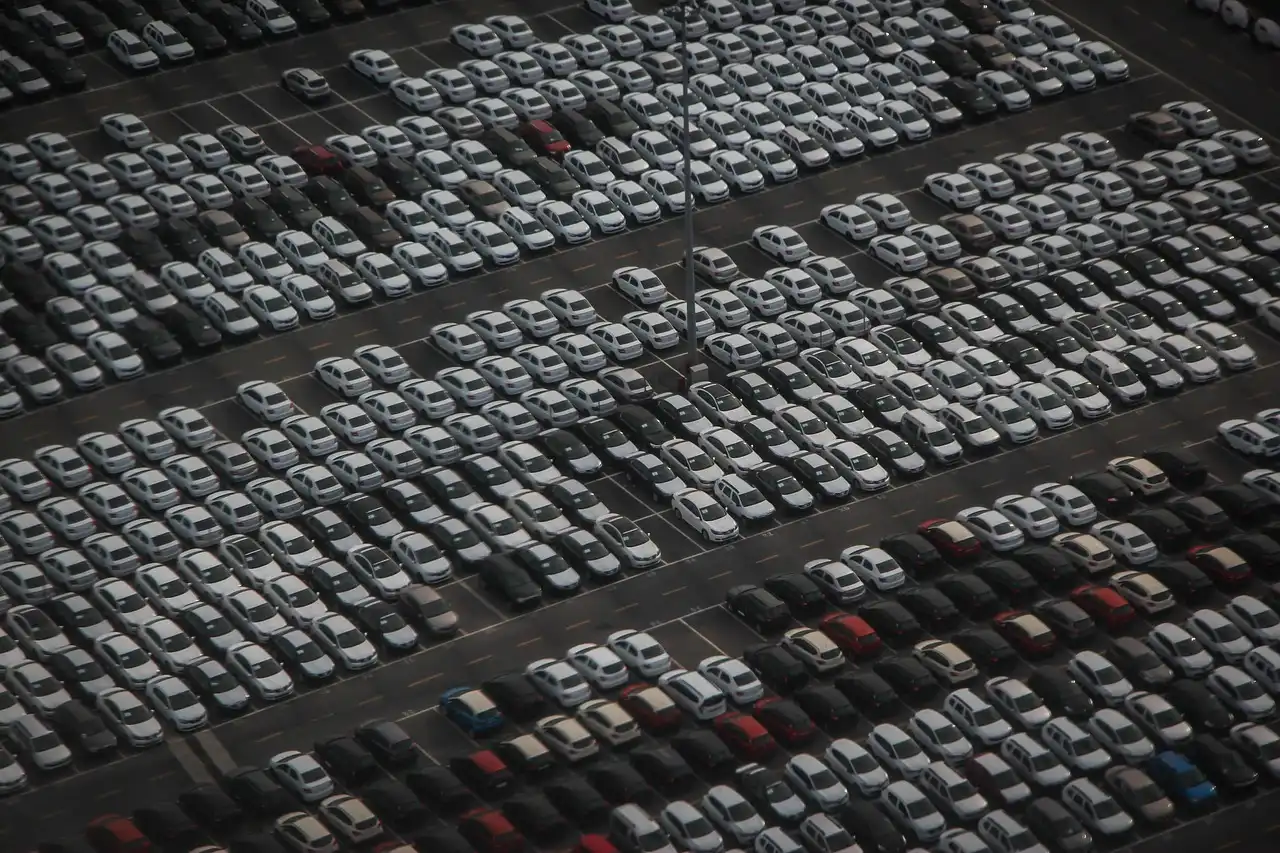
Dealers compare expected retail gross against recon, floorplan carry, and turn risk before choosing the exit path. The examples below show the kind of math that pushes a unit toward retail, wholesale, or auction. These are decision scenarios, not fixed market quotes.
| Vehicle type | Reconditioning estimate | Expected retail gross | Likely days-to-sell or holding-cost pressure | Recommended action |
|---|---|---|---|---|
| Aged trade-in | $1,500 | $1,200 | High | Auction |
| High-mileage SUV | $2,400 | $2,000 | High | Wholesale |
| Light-damage car | $900 | $3,500 | Low | Retail |
| Fast-depreciating EV | $1,200 | $1,000 | High | Auction |
An aged trade-in is the clearest example of why dealers sell cars at auction. If the unit has already sat too long, the store may prefer a quick wholesale exit over one more retail cycle that adds carrying cost and risks a lower final price. The auction lane stops the aging clock.
A high-mileage SUV can also fail the retail test even when it drives well. The problem is often not the engine alone; it is the small spread between expected gross and the cost to get the vehicle front-line ready, then keep it there until a buyer appears.
Why EVs are a special case
Fast depreciation can push EVs into wholesale channels quickly. Used EV pricing can swing faster than many traditional models because battery condition, incentives, and new-model pricing changes can affect resale confidence.
Dealer sentiment can also matter. Some stores are cautious about EV inventory because buyer interest, charging concerns, and price volatility can make turn speed less predictable than on comparable gas vehicles. When the expected retail gross is thin, that uncertainty can push the car toward wholesale.
In practice, the key issue is not a single headline number. It is whether the EV can be retailed fast enough, with enough gross, to justify the recon and carrying cost before the market moves again.
Which vehicles usually go to auction?
Vehicles usually go to auction when they miss the dealer’s retail target on margin, time, or risk. The most common candidates are trade-ins that need more recon than the store wants to absorb, off-lease vehicles with fast depreciation, and units with weak local demand. Auction is also used when a car is clean enough to sell, but not profitable enough to retail.
Off-lease vehicle supply is a major source of wholesale cars because lease returns often arrive with lower mileage and clear ownership history, yet depreciation can still be steep enough to make retailing unattractive. When the market softens, those units can move through wholesale channels quickly because the next month of holding cost only makes the math worse.
Do not confuse a wholesale decision with a defect label. Some auction units need only minor work. Others have condition surprises, title delays, or market mismatch. The shared feature is financial fit, not a single mechanical problem.
Where dealers buy cars at auction
Dealers buy cars at wholesale auto auctions, including dealer-only lanes where pricing is driven by wholesale demand and condition. Supply often comes from trade-ins, off-lease vehicles, and aged stock that did not make sense for retail. Buyers use the condition report, the reserve, and the lane history to decide what a unit is worth to them.
Because these auctions are wholesale channels, the price is usually lower than retail, but the buyer takes on recon, transport, and resale risk. That is why one car can sell quickly in the lane while a similar car stays on a retail lot for weeks. The auction buyer is pricing speed and uncertainty into the bid.
Where reserve and condition shape bidding
A clean report with a realistic reserve can draw active bidding. A car with more unknowns usually needs a lower opening number to move. If the reserve is too high for the market, the unit may pass unsold and return to the seller for a new plan.
At the lane, the best bid is rarely based on hope. It is based on what the car can become after known repairs, market demand, and the exit channel are all counted. That is why the same unit can be a retail holdback for one dealer and an auction buy for another.
Frequently asked questions
Why do dealers sell cars at auction?
Dealers sell cars at auction when the expected retail gross does not justify the reconditioning cost, floorplan carry, and time on the lot. Auction gives them a faster wholesale exit, especially for aged inventory, trade-ins that miss the retail target, or units that are unlikely to earn enough margin if kept.
Why do dealerships sell cars to auction?
Dealerships send cars to auction to reduce loss, not simply to empty space. If a vehicle is aging, needs more recon than planned, or fits the wrong market, wholesale may protect more value than holding it for retail. The choice is usually about turn speed and profit control.
Do dealers sell cars at auction?
Yes. Dealers regularly sell vehicles at wholesale auto auction, especially trade-ins, aged inventory, and cars with weak retail math. The auction lane gives them a dealer-only wholesale market where price reflects condition, demand, and reserve rather than the higher retail asking price.
Do you need a dealer license to buy cars at auction?
Most wholesale dealer auctions require a dealer license because they are built for licensed buyers trading inventory, not retail shoppers. Public auctions are different and may allow non-dealers, but they usually follow different rules, fees, and inventory access. Always check the auction’s entry requirements before bidding.
Why are cars at auction cheaper?
Cars at auction are usually cheaper because the buyer still has to pay for recon, transport, and resale risk. Wholesale market value is a lane benchmark, not a retail sticker. That lower price compensates the buyer for uncertainty and for the work needed before the car can be sold again.
Where do dealers buy cars at auction?
Dealers buy from wholesale auto auctions and dealer-only lanes. Supply often comes from trade-ins, off-lease vehicles, and aged stock. Buyers study the condition report, compare the reserve to market value, and decide whether the unit is a retail candidate or a wholesale flip.
What kinds of cars do dealers send to auction?
Dealers commonly send trade-ins that miss the retail target, high-mileage SUVs, aged inventory, off-lease vehicles with rapid depreciation, and cars with repair costs that outstrip the likely gross. The shared reason is financial fit. If the unit will not meet the store’s target, auction is often the better exit.