Dealer Auction vs Public Auction: Key Differences
Dealer auctions usually limit bidding to licensed dealers or approved members. Public auctions usually open bidding to most buyers. Your best fit depends on access, fee tolerance, and how much risk you can accept before the sale ends. Pick the wrong lane, and you can pay more in fees, miss bids, or buy a car with little recourse. This guide compares access rules, buyer costs, and risk so you can choose the better auction channel for your experience level.
| Factor | Dealer auction | public auction | Winner |
|---|---|---|---|
| Access rules | Usually requires a dealer license or proof of business status, plus auction registration and approval | Usually open to non-dealers under the house’s registration rules and ID checks | public auction |
| Typical vehicle sources | Wholesale trade-ins, fleet units, lease returns, repossessions, and dealer-to-dealer inventory | Retail consignments, surplus units, repo sales, charity units, and some salvage or public release inventory | tie |
| Fee stack | Hammer price plus buyer premium, gate or registration fees, and sales tax where required | Hammer price plus buyer premium, registration fees, payment deadlines, and sales tax where required | tie |
| Inspection visibility | Often a condition report with limited inspection time; no full mechanical teardown | Often similar or less detailed, depending on the house and vehicle type | Dealer auction |
| Condition risk | High, because most sales are sold as-is and the better deals often go to buyers who know how to read reports | High, because access is broader but inspection depth can still be thin and competition can push weak units higher | tie |
Dealer auction vs public auction at a glance

Dealer auctions narrow bidding to licensed or approved business buyers. Public auctions admit a broader audience. The trade-off is not only price; it is access, fee structure, and how much risk you can handle before the sale ends.
That matters because the hammer price is only the winning bid. The total bill can climb fast once you add buyer premium, taxes, title work, and house fees. The cheapest-looking lane can still cost the most.
Access rules
Dealer auctions usually require a dealer license, business registration, or another proof-of-business check before bidding. Public auctions generally allow non-dealers, but they still require registration, government ID, and acceptance of house rules.
That difference changes who each auction is built for. Dealer-only lanes are set up for wholesale buying. Public lanes are set up for broader attendance and retail-style bidding.
Dealer auction vs public auction comparison table
| Decision factor | Dealer auction | public auction | Winner |
|---|---|---|---|
| Who can bid | Licensed dealers or approved business buyers | Most buyers who complete registration | public auction |
| Vehicle source | Wholesale auction inventory, including fleet, lease, and repossession units | Mixed public inventory, including retail consignment and some salvage or surplus units | tie |
| Common fees | Buyer premium, registration or gate fee, title and tax charges where applicable | Buyer premium, registration fee, payment timing rules, title and tax charges where applicable | tie |
| Inspection visibility | Condition report plus limited lane or preview access | Often preview access, but report quality varies by house and inventory type | Dealer auction |
| Risk after sale | Sold as-is with limited recourse | Sold as-is with limited recourse | tie |
| Best fit | Dealers, experienced flippers, buyers who can read reports fast | First-time bidders, private buyers, shoppers who want broader access | tie |
How access changes the buyer pool
Dealer auctions screen for business status, so the buyer pool is smaller and usually more fluent in auction language. Public auctions open bidding to more people, which improves access but can also push prices higher on cars that look cheap at first glance.
For a regular shopper, easier entry does not mean easier buying. A public lane can still move fast, and a dealer lane can still be open only through approved broker or business rules in some states.
What the inventory usually looks like
Wholesale auction inventory often comes from dealer trade-ins, fleet exits, repossessions, and off-lease vehicles. Public auctions can include some of those units too, but they may also include retail consignments, surplus vehicles, and salvage or damage-title cars depending on the house.
That mix matters because source shapes expectation. Fleet and lease units often have cleaner paper trails, while salvage or repo vehicles can bring more visible damage or condition uncertainty.
What access rules apply?
Dealer auctions usually require a dealer license or proof of business status, while public auctions are open to non-dealers under the auction house’s registration rules. In both cases, you still need ID, signed terms, and payment readiness before you can bid.
Some houses accept a business tax ID, resale certificate, or another state-specific proof, but the exact documents vary by state and auction house. If you do not meet the access rule, you may be able to watch but not bid.
Dealer license requirements
A dealer license is the usual eligibility requirement for dealer-only sales, but state rules differ on what counts as proof. Some auctions also ask for business registration, resale paperwork, or a dealer bond number before they grant lane access.
That is why the label “dealer auction” matters. It marks a restricted access channel, not just a place where dealers happen to bid.
Public registration rules
Public auctions usually let private buyers register with a driver’s license or government ID, a deposit or card on file, and signed buyer terms. Payment timing can be strict, and some houses require immediate or next-day settlement.
That speed can help, but it also leaves less room to second-guess a bid. If you are not ready to pay quickly, the lower barrier to entry can become a problem.
How do prices and fees differ?

The hammer price is only the winning bid amount. Your out-the-door cost also includes buyer premium, taxes, title work, and any auction-specific fees, so a lower bid does not always mean a lower total price.
Buyer premium is usually a percentage-based fee added to the hammer price, and that percentage varies by auction house. A $10,000 hammer with a 10% buyer premium becomes $11,000 before taxes and paperwork, which changes the real comparison fast.
Hammer price versus out-the-door cost
Hammer price is the number you win at the podium or online screen. Out-the-door cost is the full bill after premium, fees, and government charges. That gap can erase a supposed bargain.
Say your bid wins at $8,500 and the buyer premium is 8%. The premium alone adds $680 before tax, title, and any gate or doc charges.
Buyer premium and other charges
Dealer and public auctions both use buyer premiums, but the rate and fee stack can differ. Some houses charge a flat gate fee, some add internet or clerk fees, and some collect payment very quickly after the sale.
Read the fee sheet before bidding. The cheapest car in the lane can turn expensive once the house adds its charges.
Floor price and reserve behavior
A floor price or reserve is the minimum a seller will accept. If bidding does not reach that number, the car does not sell, even if the lane action looks lively.
For buyers, reserve cars can slow down the hunt for a deal. A unit may look within reach until the bidding stops short of the seller’s floor price.
How much can you inspect before bidding?
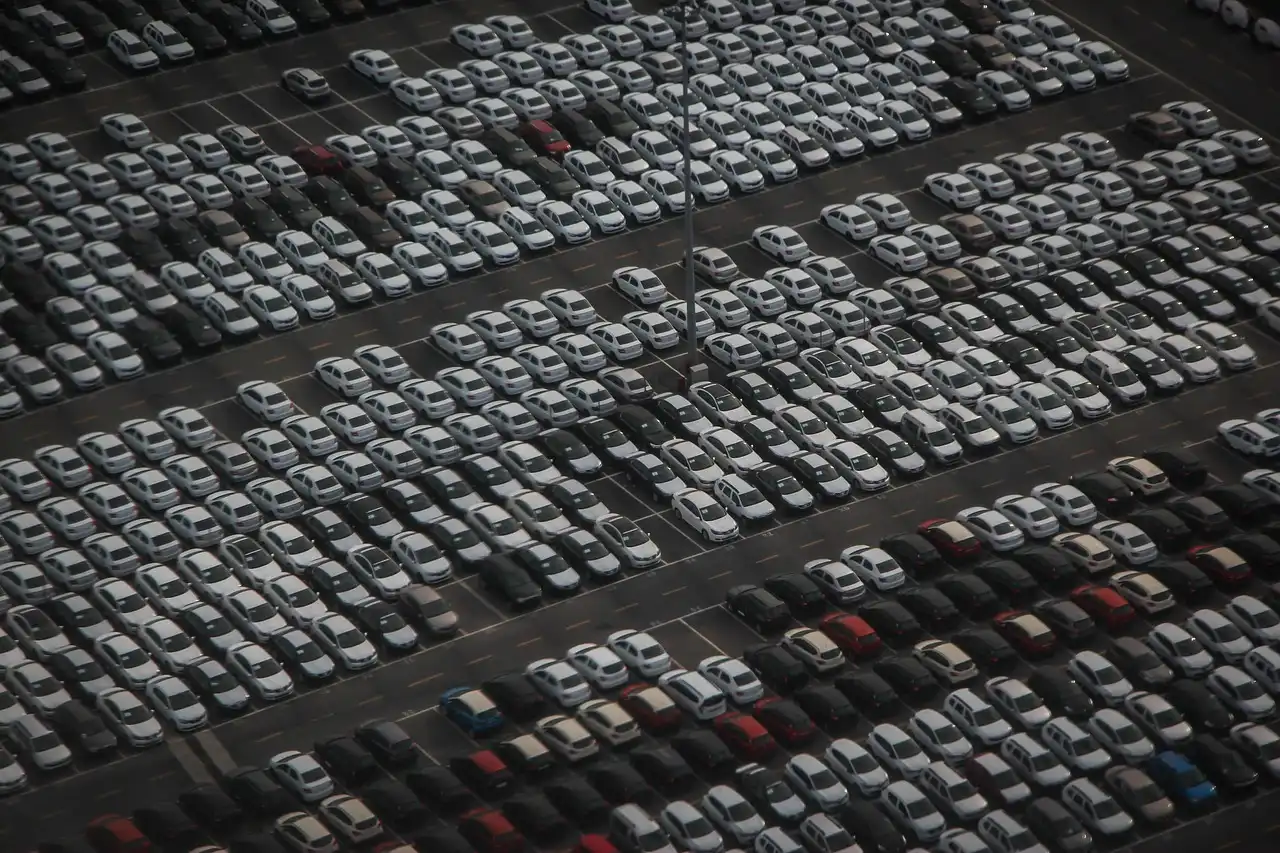
Most auction sales are sold as-is, so inspection visibility often matters more than the type of auction. Condition reports can help, but they are not a full mechanical inspection and do not remove the risk of hidden defects.
Expect damage notes, paint or body observations, warning lights, and sometimes basic run-and-drive comments. Do not expect a teardown, compression test, or complete diagnostic scan unless the auction specifically offers it.
Condition report limits
A condition report is an inspection summary, not a promise of roadworthiness. It may note body damage, fluid leaks, warning lamps, or frame concerns, but it can miss intermittent faults, drivetrain problems, and undercarriage issues.
Treat it as input, not proof. A cleaner report lowers uncertainty, but it does not remove it.
What as-is sale means
An as-is sale means the buyer accepts the vehicle in its current condition with limited recourse after the sale. If the vehicle has a missed problem, the usual repair cost becomes the buyer’s problem.
That standard is common in both dealer and public auctions. The format does not protect you from a rough unit.
Why pre-bid due diligence matters
Pre-bid due diligence means checking the report, previewing the unit if allowed, reading title status, and setting a hard maximum bid that includes fees. Without that work, a buyer can mistake a low hammer price for a good buy.
A common first-timer mistake is chasing a 6-year-old SUV with a strong-looking report and skipping the preview because the lane feels busy. A missing warning light or a noisy cold start can turn that “deal” into a repair bill before the title even clears.
Which auction type fits your buyer profile?
Dealer auctions fit buyers who already understand wholesale rules, can move quickly, and can judge condition reports without much handholding. Public auctions fit buyers who need access without a dealer license, but they still need discipline, because open bidding does not reduce risk by itself.
If you want the lowest-risk path, neither format guarantees it. The better fit depends on your skill at reading reports, your budget for fees, and how much repair risk you can absorb.
Dealer
Choose dealer auction if you already have dealer access, need wholesale inventory, and can calculate a ceiling price before bidding. It also fits buyers who know how to use condition reports and who can accept that every unit is sold as-is.
Flipper
Choose dealer auction if you flip cars often and need access to fleet, lease, or repo inventory at wholesale pricing. That channel can leave more room for margin, but only if your repairs, transport, and fee stack stay under control.
DIY shopper
Choose public auction if you are a private buyer and want a lawful path into auction bidding without a dealer license. It works best when you can inspect in person, read the fee sheet, and walk away from a unit that needs more work than your budget allows.
Budget family buyer
Choose public auction only if you have a strict maximum cost, a repair reserve, and patience for limited recourse. For a family buyer, the real danger is not the bid price alone; it is buying a car that needs immediate tires, brakes, or electrical work.
Choose dealer auction if… / Choose public auction if…
Choose dealer auction if you have the required license or business proof, want wholesale inventory, and can evaluate condition reports quickly. Choose public auction if you are a non-dealer, want broader entry, and can handle slower due diligence before you bid.
Choose dealer auction if…
- You have a dealer license, resale paperwork, or approved business status.
- You want wholesale auction access to fleet, repossession, lease, or dealer-trade units.
- You can total hammer price, buyer premium, and taxes before bidding.
- You are comfortable with sold as-is units and limited post-sale recourse.
Choose public auction if…
- You do not qualify for dealer-only access.
- You want a registration process built for non-dealers.
- You are prepared to inspect carefully and cap your bid with fees included.
- You prefer broader access over wholesale-only inventory.
Frequently asked questions
What is the difference between a dealer auction and a public auction?
A dealer auction usually limits bidding to licensed dealers or approved business buyers, while a public auction opens registration to non-dealers under house rules. The biggest difference is access, but fee structure, inventory source, and inspection visibility also shape the real buying experience.
Can regular buyers buy from dealer auctions?
Usually no, unless the auction house allows approved business members, broker access, or a state-specific exception. Most dealer auctions are set up for licensed trade buyers, so a regular shopper should not assume entry is available just because the sale is publicized online.
Why are some auto auctions dealer-only?
Dealer-only auctions are built for wholesale trading between businesses. They move fleet, repo, lease, and dealer-trade vehicles through a faster lane, and the restricted access helps the house keep that market oriented toward licensed buyers who understand wholesale terms.
Do dealer auctions have lower prices than public auctions?
Not always. Dealer auctions often have lower starting points because they are wholesale channels, but buyer premium, fees, and condition risk can narrow or erase the gap. A public auction can also end up cheaper if competition stays light and the unit needs little reconditioning.
What fees are added at dealer auctions?
Common added charges include a buyer premium, registration or gate fees, title processing, and taxes where required. Some houses also charge internet, document, or payment-related fees, so the hammer price should never be treated as the full purchase cost.
Is a wholesale auction the same as a dealer auction?
They often overlap, but the terms are not perfect synonyms. A wholesale auction usually means dealer-to-dealer trading, often with fleet or repo inventory sold as-is, while a dealer auction is the broader access category used by many houses for that kind of market.