Advanced Auction Inspection Tactics for Flippers
Use a 3-pass triage: reject obvious frame, flood, and title-risk cars in about 60 seconds, score the rest on a 10-point sheet, and deep-check only the top portion that looks most promising. Skip that filter and you waste lanes, overbid on hidden repairs, and tie up cash in cars that should never leave the yard. This guide gives you a repeatable inspection order, a fast scoring method, and the defect cues that separate buyable cars from bad risk.
Fast auction inspection triage
Start with run order, not curiosity. On a day with about 10 to 20 lots, the cars that matter most are the ones with the highest margin potential and the highest hidden-risk potential, because those are the ones that can affect the day most if they are missed.
A fixed first pass keeps every lot comparable. Use the same walkaround order, the same score sheet, and the same bid ceiling logic so a clean sedan and a salvage SUV do not get judged by different standards.
Use run order to prioritize lots
Build your inspection sequence around the auction run order. Check high-value, high-risk lots first, then move to lower-priority cars that can survive on a lighter pass.
- Flag priority lots. Mark high-value units, salvage titles, flood-branded units, and cars with limited preview time before the lane starts moving. Those lots deserve the first minutes because a hidden defect there can erase the largest amount of margin.
- Sort by risk. Put structural, water, and title-risk cars ahead of simple cosmetic candidates. A cheap cosmetic flaw can usually be priced; hidden frame or flood damage can turn a buy into a loss.
- Reserve deep checks. Only do a slower review on cars that pass the first screen. That helps avoid spending about 8 minutes on a car that should have been skipped in about 60 seconds.
A common first-timer mistake is spending equal time on every car in the lane. That works only if every lot has the same upside and the same risk, which is almost never true.
Separate deal-breakers from minor flaws
Deal-breakers are defects that can change the entire transaction: frame damage, flood evidence, title limits, major drivetrain faults, and severe electrical problems. Minor flaws are repairable items that mainly affect your bid ceiling, such as curb rash, a cracked lamp, or worn tires.
Use this split before you open the hood. If a car already shows a hard stop on the outside, do not spend the remaining time hunting for small items.
Score every car the same way
A repeatable score removes guesswork. Use one scale for every lot, then compare cars across the same run instead of relying on memory.
A simple 10-point sheet is a common way to keep the review fast: 0 to 2 for body and structure, 0 to 2 for underhood condition, 0 to 2 for interior and electrical, 0 to 2 for tires and suspension, and 0 to 2 for title and documentation risk. Lower total scores deserve a lower bid ceiling or a skip.
What to check first on the lot
The first walkaround should find expensive problems before you spend time on details. Check the body, the engine bay, and the cabin in that order, because those three areas reveal most of the risks that wreck resale margin.
Keep the scan fast. You are not rebuilding the car in the lane; you are deciding whether it deserves a deeper look.
Exterior and body damage clues
Look for leaks, broken parts, and missing trim. Also check for mismatched panel gaps, overspray, uneven hood or fender fit, fresh seam sealer, broken clips, and signs of recent impact. One bad gap may be cosmetic, but several uneven lines together can point to frame damage or hidden repairs.
Check lights, glass, trim, and door edges as part of the same pass. A cracked lamp or missing mirror is a normal bid adjustment; a bent A-pillar or twisted door opening is a structural concern.
Engine bay red flags
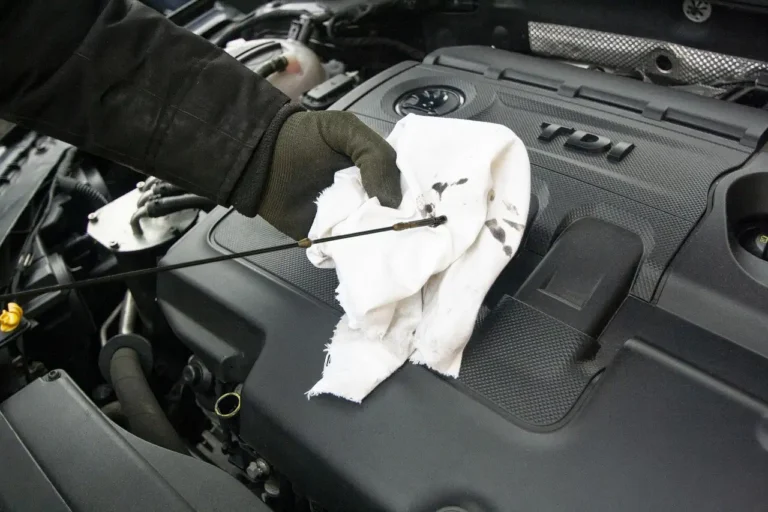
Open the hood and scan for fluid leaks, coolant residue, broken mounts, and warning lights on the cluster if the car powers up. Battery health matters because a weak battery can hide faults, but a dead battery does not explain oil, coolant, or transmission leaks.
Watch for fresh clean spots around dirty components, which can mean recent leak cleanup. Also check for low coolant, milky residue, or cracked reservoirs, because those items can point to overheating or contamination.
Interior and electrical warnings
Inside the cabin, focus on musty odor, wet carpet, corrosion under seats, warning lamps, and nonworking electrical accessories. A strong smell of mildew, damp sound deadening, or rust at seat mounts can be a flood clue even if the outside looks clean.
Test only the controls that matter most under time pressure: ignition status, cluster lights, windows, locks, and HVAC blowers when available. A dead switch may be minor; a pattern of failures across several systems is not.
How do you rank inspection urgency?
Rank urgency by the defects that can kill margin fastest. Structural, flood, and title-risk cars get the deepest first attention, while cosmetic or maintenance-level issues usually stay in the fast lane unless the price is already tight.
High-risk signs that need a deeper look
Stop and inspect more closely when you see panel mismatch across multiple body sections, steering wheel off-center, uneven tire wear that suggests suspension shift, water lines, corrosion in hidden areas, or a salvage title with limited documentation. Those signs can mean hidden damage that is expensive to diagnose after purchase.
If the car fails on structure or water, the rest of the lot often matters less. Deep checking a car that should have been skipped wastes time on the wrong unit.
Low-risk signs that only affect bid ceiling
Small dents, worn tires, a weak battery, faded trim, and broken interior plastic usually change the repair estimate, not the entire bid decision. Put those items into the sheet, price them, and move on.
That is the difference between a car you can buy and a car you can only admire. The first can survive transport, recon, and resale; the second can eat margin before it reaches your lot.
When to skip a car entirely
Skip a car if it shows more than one hard structural clue, signs of flood plus electrical failure, or a title situation that blocks the resale plan. The right move is to protect cash, not to buy every unit that looks cheap in the lane.
Say your target is a mid-size SUV with a salvage title, a musty cabin, and a rear door gap that widens at the top. That combination is enough to move the car from “possible” to “pass” before any deep diagnosis starts.
Frame and flood damage signs
Frame damage and flood damage need different eyes, because they show up in different places. Structure problems usually appear in fit, alignment, and underbody cues; water damage usually shows up in smell, corrosion, and electrical behavior.
Frame damage indicators
Look for panel gaps that change from one side to the other, hood or trunk lids that sit high or low, suspension that does not sit evenly, and underbody bends or scrapes that do not match normal road wear. On the lot, those clues matter more than a fresh paint gloss.
Also check wheel position in the opening and steering wheel center. If the car tracks one way in appearance before it ever moves, that is a structural warning sign worth treating seriously.
Flood damage indicators
Flood clues include musty odor, silt lines under trim, corrosion at seat tracks and harness connectors, fogged lamps, and strange electrical faults. Flood damage can hide behind a clean interior detail, so you need to look low and behind trim where dirt settles.
Water-related repairs can also stack up in a hurry. A car with damp insulation, corroded connectors, and random warning lamps may need far more than the visible cleanup suggests.
Why salvage titles need extra caution
Salvage title cars need extra caution because hidden damage and documentation limits change the risk picture. The title tells you the car has already crossed a serious threshold, so you need a tighter buy price and a sharper eye for incomplete repairs.
Use the title status as a reason to inspect more deeply, not as a reason to ignore the rest of the clues. A salvage car with no structural signs may still carry repair and resale friction that a clean-title unit does not.
Tires, suspension, and underbody checks
Tires and suspension are fast clues. They tell you about alignment, impact history, steering health, and whether the car has been hiding a bigger problem under a simple cosmetic story.
Tire wear and wheel damage
Look for inner-edge wear, cupping, bulges, sidewall cuts, and bent wheels. Uneven wear on one axle can point to alignment or suspension damage, while a bent wheel can signal curb strike or impact history.
If all four tires are nearly done, price the replacement set into the bid. If one corner is badly worn while the others are normal, investigate that corner harder before you bid.
Ride-height and steering clues
Step back and compare ride height corner to corner. A low corner can mean a broken spring, damaged strut, or a bent suspension component; steering wheel play or off-center alignment adds to the risk.
Picture a sedan with the left front sitting 1 inch lower than the right front and a front tire that shows feathered wear. That is not a cosmetic issue; it is a suspension clue that deserves more time or a lower ceiling.
Underbody signs that change repair risk
Scan the underbody for fresh bends, torn splash shields, fluid drips, missing fasteners, and rust around mounting points. Check for crushed pinch welds and distorted subframe areas, because those can signal impact or lifting damage that affects repair cost.
Underbody clues are especially important on higher-mileage cars. Wear is expected; deformation is not something to ignore.
Auction inspection sheet essentials
An auction inspection sheet should do more than collect notes. It should let you compare lots quickly, set a repair reserve, and turn inspection findings into a bid ceiling before the lane moves on.
Condition notes and damage categories
Use the same categories on every lot: exterior, underhood, interior, tires and suspension, structure, flood, and title status. That keeps comparisons clean and stops a loud cosmetic issue from hiding a more serious defect.
Write short, concrete notes. “Left rear door gap wide at top” is better than “looks off.”
Repair estimate and bid ceiling fields
Add separate fields for estimated repair cost and bid ceiling. The estimate covers known work; the ceiling is the most you can bid after transport, recon, and risk are included.
A practical rule is to lower the ceiling when hidden-risk signs appear, even if the visible repairs seem small. A car with uncertain structure or flood history should not get the same ceiling as a clean-title cosmetic unit.
Lot-to-lot comparison notes
Use comparison notes to rank cars against each other on the same run. If two units both need tires, but one also shows structural clues, the sheet should make that difference obvious at a glance.
| Run | Title type | Exterior/body risk | Underhood risk | Interior/electrical risk | Structural/flood suspicion | Bid ceiling adjustment | Go/no-go |
|---|---|---|---|---|---|---|---|
| 12A | Clean | Low: one dent, one scuff | Low: dry, no visible leaks | Low: normal wear, all lamps on | None | Base ceiling | Go |
| 12B | Clean | Medium: mismatched front gaps | Medium: coolant residue near tank | Low: minor trim wear | Possible structure | Reduce 15% | Closer look |
| 12C | Salvage | Medium: rear impact signs | Low: no obvious leaks | High: musty odor, damp carpet | High flood suspicion | Reduce 30% or skip | No-go |
| 12D | High-mileage clean | Low: cosmetic wear only | Medium: weak battery, oil seep | Medium: dead window switch | None | Reduce 10% | Go |
This matrix works because it forces one decision path for every car. The same run number, title type, and risk notes let you compare a sedan, an SUV, and a salvage truck without changing the logic midstream.
How do you compare repair risk across multiple lots on the same run?
Compare repair risk by using the same score and the same bid ceiling rules on every lot. The goal is not to identify the “best” car in the abstract; it is to identify the lot that still makes sense after known repairs and hidden-risk adjustment.
Score body, underhood, interior, suspension, and title risk separately. Then rank the cars by the total and by the severity of any single red flag, because one serious issue can outweigh several minor ones.
What are the most common mistakes?
The biggest mistakes are rushing past one expensive defect, treating every title the same, and failing to write a consistent score. Those errors matter because a small miss at the lane can become a transport bill, a recon bill, and a resale problem later.
Another common error is trusting a clean exterior too much. A car can look tidy and still carry frame, flood, or electrical risk that wipes out the spread.
Frequently asked questions
How do I inspect multiple auction cars fast without missing expensive problems?
Use a fixed triage order: title and run priority first, then structure, flood clues, engine bay, interior, tires, and suspension. Keep each first pass short, score every lot the same way, and reserve slower checks for cars that survive the first screen.
What is the best order to inspect cars at auction when time is limited?
Start with the highest-value and highest-risk lots on the run, because those are the cars that can change your day if the inspection goes wrong. If a lot shows structural or flood clues early, move on and spend the time where the return is better.
Which defects should I prioritize on the first walkaround?
Prioritize frame clues, flood clues, warning lights, major leaks, uneven tire wear, and obvious suspension damage. Cosmetic defects matter, but they should not outrank signs that can change the whole repair plan or prevent resale.
What tools should I bring to inspect several auction cars in one day?
Bring a flashlight, a basic tire gauge, a notebook or inspection sheet, gloves, and a small magnet or trim tool if allowed by the auction. The point is speed and consistency, so choose tools that help you confirm clues without slowing the lane walk.
How do I triage which cars deserve a closer look before bidding?
Cars with clean structure clues, normal interior condition, and manageable wear deserve the deeper review. Cars with multiple hard stops, especially flood evidence, structural mismatch, or title limits, should get a lower ceiling or be skipped before you spend more time.
What should I check on salvage or high-mileage cars first?
On salvage units, start with structure, flood evidence, and documentation limits. On high-mileage cars, start with leaks, suspension wear, tire condition, and electrical function. Those are the areas most likely to change the real repair cost and your final bid ceiling.