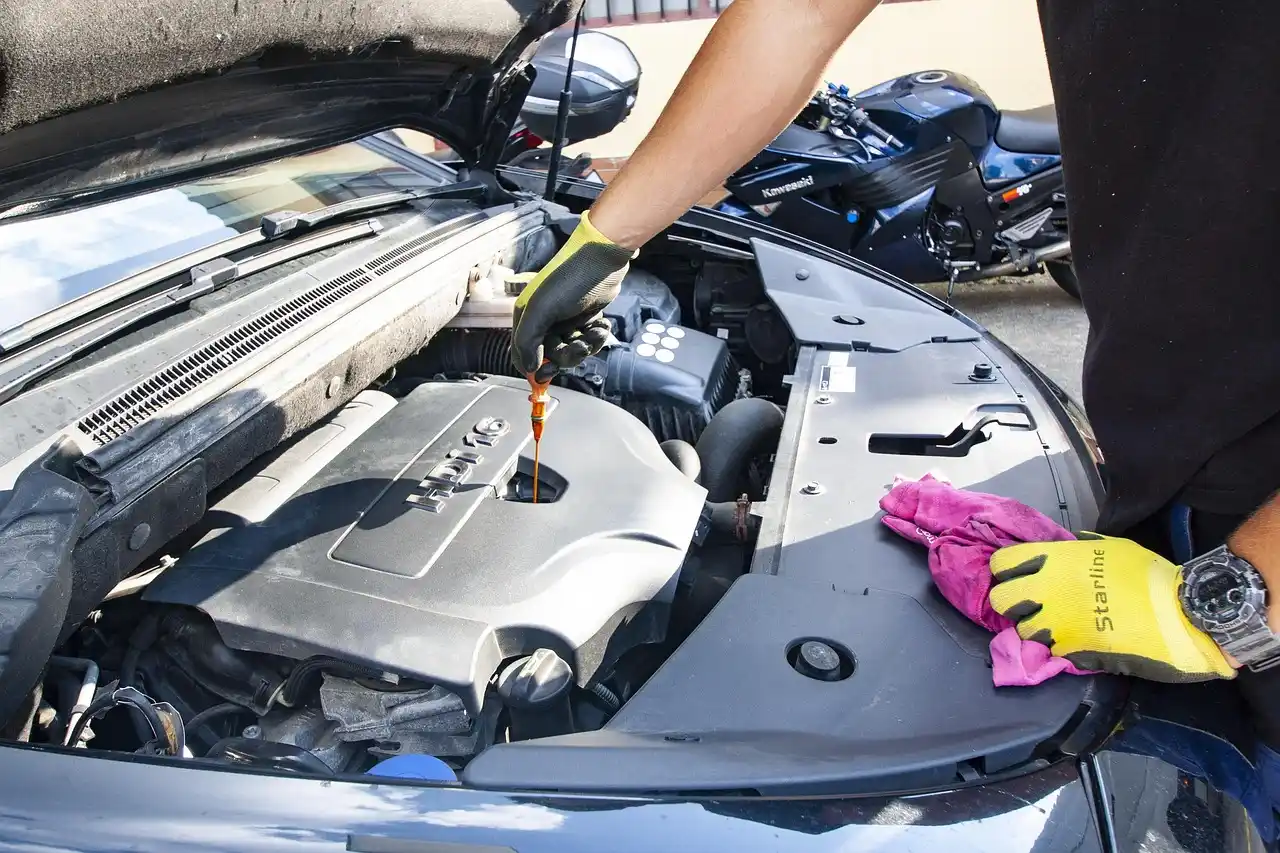
How to Inspect a Car at Auction in Under 15 Minutes
Use the first minutes to reject cars with hard red flags: frame damage, flood signs, warning lights that stay on, severe leaks, missing keys, or a title and condition code that do not match the listing. A winning bid is only part of the cost, so any missed defect can wipe out your margin fast. This guide gives you a triage order, a timed checklist, and the deal-breakers to catch first.
Start with a yes-or-no filter. If the car fails on title, condition code, or obvious structure damage, stop there. Only after it passes that screen should you spend time on tires, interior wear, and small cosmetic issues.
How the 15-minute inspection works
A short inspection can confirm what you can see, smell, and briefly verify at the car. It cannot confirm hidden mechanical health, scan-tool fault history, or long-drive behavior. Treat run-and-drive status as a starting point, not a guarantee.
What you’ll need
- Phone or tablet for full-screen listing photo review and VIN checks
- Flashlight for wheel wells, underbody edges, and dark interior corners
- Paper towels or shop wipes for fluid spots and damp carpet checks
- Disposable gloves for dirty surfaces and undercarriage contact
- Note app or printed sheet for timing, pass/fail notes, and maximum bid
- VIN lookup tool or history report access
Which red flags should you check first?
Check the listing photos, condition code, and title before you touch the car. Start there, and you catch the biggest bidding mistakes early, including hidden damage, a non-drivable status, or a title type that limits registration. If those three items do not line up, the rest of the inspection matters less.
Listing photos are a signal, not proof. Open them full-screen, count them, and check whether the damage area, airbags, wheels, and interior are actually shown. A low photo count, cropped damage, or missing cabin shots should lower confidence.
Minute 1 to 3: review the photos and listing text
- Count the photos and open each one full-screen.
- Look for the damaged side, wheel damage, deployed airbags, and interior shots.
- Read the condition code.
- Check the title type and VIN.
If the car is marked run and drive, it means it starts and moves under its own power. Stationary means it is not drivable. Parts only means it is not suitable for normal road use. Those three labels belong in different bid buckets.
Title type changes how you price the car. Salvage, rebuilt, and clean titles all have different legal and registration implications. Match the title to your state or country rules before you bid, especially if you need road use soon.
Minute 4 to 6: cross-check title and VIN data
- Match the VIN in the listing to the VIN plate and windshield tag.
- Run a VIN lookup for history, mileage validation, and title or damage cross-check.
- Compare the listing mileage to the report.
- Flag any mismatch in title type, mileage, or damage pattern.
Some platforms show commission before you bid, which helps you budget accurately. Use that number, not the hammer price alone, when you build your maximum bid.
Fees can change the bid by a lot. Auction fees can add roughly €200–€800 on a €10,000–€20,000 car. A safe rule is to add 20% to 30% over the hammer price, then leave room for transport and repairs.
How do you inspect the outside in minutes?
Walk the outside for structural clues first, then cosmetic ones. Frame damage, bent suspension parts, and fresh fluid trails matter more than scuffs or faded paint. If the body suggests a hard hit, do not spend the rest of the preview convincing yourself otherwise.
Minute 7 to 10: inspect body, wheels, and underbody
- Walk the body and check panel gaps, paint mismatch, broken glass, and missing trim.
- Look for airbags through the cabin glass if visible.
- Check all visible wheels for curb damage and missing lug hardware.
- Inspect tire sidewalls for wear clues and obvious sidewall damage.
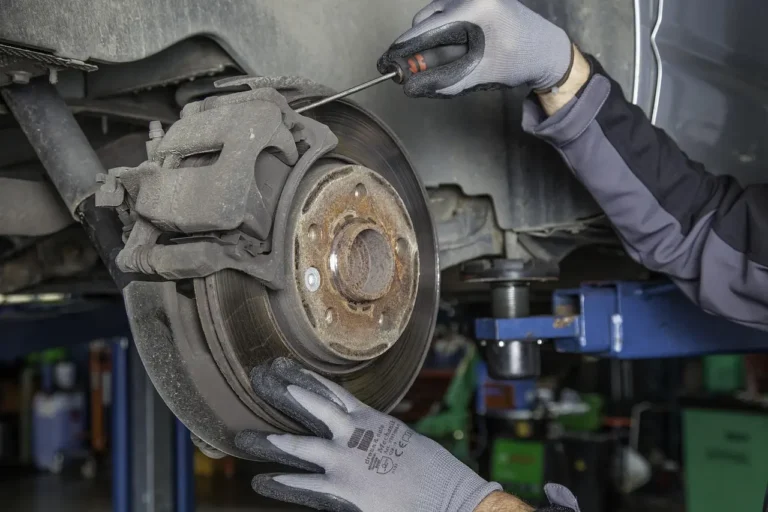
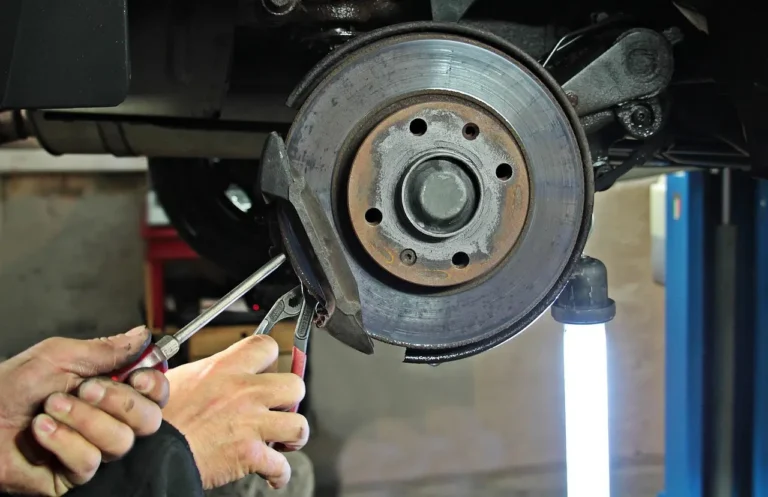
- Look under the car for leaks, hanging parts, bent components, and fresh fluid trails.
A common first-timer mistake is to trust one clean side of the car. Suppose the passenger side looks tidy, but the driver front wheel shows fresh scrape marks and the undertray hangs low. That mix often points to impact damage that the thumbnail photos did not reveal.
Do not crawl under a vehicle that is not safe to approach. Only check what is visible without moving it. If you cannot see the damage source, assume the repair could be larger than it looks.
Minute 11 to 12: check fluids, smells, and water clues
- Look for oil, coolant, brake fluid, or transmission fluid on the ground.
- Check around caps, covers, and the lower engine area for fresh wetness.
- Open doors and sniff for mold, mildew, or stale water odor.
- Touch carpet edges and seat bases for dampness.
- Look for water lines, silt, or staining low in the cabin.
Water intrusion often shows up in smell and trim, not in a neat listing note. If the cabin smells damp or the carpet feels wet at the edge, treat that as a high-risk sign. Flood-related repairs can spread into wiring, connectors, and modules.
How do you inspect the interior, keys, and dash?
Open every accessible door, then look for water, wear, missing keys, and dash warnings. A quick start attempt can confirm that the vehicle cranks and powers up, but it cannot clear hidden codes. If the dash shows warning lamps that stay on, price the car as a risk item.
Minute 13 to 15: verify start behavior and dash status
- Confirm the keys are present and complete.
- Attempt a brief start if auction rules allow it.
- Watch for cranking, rough idle, or no-start behavior.
- Check whether airbag, check-engine, ABS, or battery lights stay on.
- Read the odometer display and compare it with the VIN report.
Can you start or test drive a car during auction inspection? Sometimes you can start it, but a test drive is often not allowed. Motorway notes that traditional auction buyers may need to be there for hours, and Motorway says the winning dealer inspects the car before payment. The exact access rules depend on the sale lane and platform.
What you cannot verify in 15 minutes matters as much as what you can. A start attempt does not replace a scan tool, and a scan tool does not replace a physical look at the underbody, tires, or cabin. Keep those limits in mind when you set your bid ceiling.
15-minute auction inspection scorecard
| Minute | Check | Pass / fail criteria | Bid impact |
|---|---|---|---|
| 1-3 | Photos, condition code, title, VIN | Pass if photos show damage areas and the code matches the title story | Fail can mean walk away |
| 4-6 | VIN lookup and mileage cross-check | Pass if VIN, mileage, and damage history line up | Mismatch lowers ceiling sharply |
| 7-8 | Body and glass | Pass if no frame clue, major gap change, or heavy repair sign | Structure issue often means walk away |
| 9-10 | Wheels, tires, underbody | Pass if no bent parts, no fresh leaks, no missing hardware | Wear items reduce bid |
| 11-12 | Fluids, odor, water intrusion | Pass if dry and no mold, mildew, or water line | Flood clue usually means walk away |
| 13-15 | Keys, start attempt, dash lights, paperwork | Pass if it starts, runs briefly, and no major warning lights stay on | No-start or warning lamps cut the bid hard |
Final decision rule: walk away for frame damage, flood signs, missing title clarity, no keys, or serious no-start behavior. Bid cautiously if the car passes the red-flag screen but shows wear, minor leaks, or warning lamps that need diagnosis. Proceed only if the title, VIN, structure, and start attempt all fit your budget and risk level.
What mistakes should you avoid?
Do not bid from a single good photo or from the words run and drive alone. Do not ignore fees, storage deadlines, or pickup timing when you set your maximum bid. Do not let proxy bidding push you past your ceiling.
Storage after the deadline can cost up to $40+ per day, so pickup timing belongs in your budget. If a post-sale clock is tight, that cost belongs in the maximum bid from the start. Use pre-bid or proxy bidding only with a hard ceiling.
Set your maximum bid before the auction starts. Include repair estimate, auction fees, and a margin for surprises. A winning bid is only part of the total cost of an auction purchase.
Say your budget is tight and the listing shows a run-and-drive sedan with 18 photos, but none of them show the rear floor, the spare tire well, or the driver seat base. That car may still be fine. It may also hide water damage that a quick preview should catch.
Suppose the listing says salvage title, the VIN report shows prior structural damage, and the cabin smells wet. That is enough to skip the car even if the paint looks clean. The preview window is for triage, not hope.
Prevention: write the ceiling in your note app before the sale, then stop bidding when it is reached.
Frequently asked questions
How to inspect a vehicle before buying
Start with title, VIN, condition code, and photos, then move to structure, tires, fluids, and the interior. Finish with a brief start attempt if allowed. If frame damage, flood clues, missing keys, or persistent warning lights appear, leave the car off your bid list.
How to inspect used car before buying
Use the same order as any auction vehicle, but give extra weight to service clues and warning lamps. Check the odometer against the history report and look for repairs that do not match the listing. A used car can look clean and still hide expensive electrical or flood-related problems.
What should I check first at an auction car?
Check the title type, condition code, and VIN first. Those three items decide whether the car belongs in your bidding range at all. If the title is salvage, rebuilt, or unclear, or the condition code says stationary or parts only, treat that as a major risk signal.
Can you start or test drive a car during auction inspection?
A brief start attempt may be allowed, but a full test drive often is not. If the engine cranks and dash lights behave normally, that helps, but it does not clear hidden faults. Treat any no-start, rough crank, or warning lamp that stays on as a bid reducer.
How do I avoid missing red flags in a short auction inspection?
Use a fixed sequence and stop at deal-breakers. Photos first, then VIN and title, then body, underbody, tires, fluids, interior, smell, and dash. A timer keeps you from wandering into cosmetic checks before you have ruled out the failures that can sink the deal.